Optimizing the circulation of terminals and tablets through automated dispensing cabinets
High-performance logistics and manufacturing processes are measured in seconds, yet the physical handling of work tools remains one of the most commonly overlooked time wasters. In many facilities, the start of a shift still generates unnecessary operational friction —queues to team leaders, searching for a working terminal on the shelves, or empty trips to central IT storage areas are classic examples of situations that lower productivity from the very first minute of work.
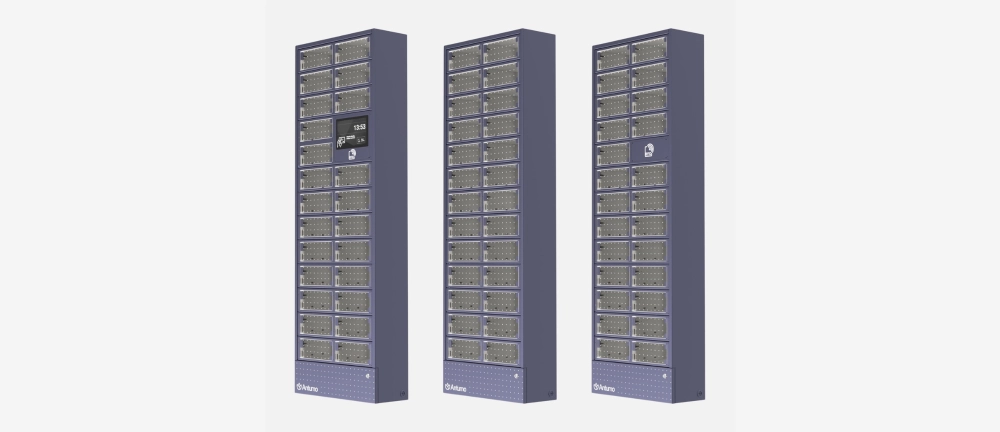
Antumo LOCKER CABINET dispensing lockers redefine this approach, shifting the focus from passive storage to active flow management. Instead of treating equipment circulation as a support activity, this system turns it into a precisely engineered element of process engineering. This article explains how automated dispensing optimizes workshop ergonomics and eliminates bottlenecks, transforming chaos into an orderly and predictable operational standard.

How does Antumo's 24/7 self-service in its lockers eliminate operational bottlenecks?
Automated device dispensing cabinets completely decouple the device distribution process from the presence of shift leaders, warehouse staff, or IT personnel, placing full autonomy in the hands of frontline employees. In the traditional mobile fleet management model, it is precisely the human factor on the supervisory side that is the most common cause of downtime. At critical moments for plant operations—such as the morning shift change or a sudden surge in orders—managers, instead of focusing on coordinating processes, end up acting as equipment dispensers. Replacing this outdated procedure with the Antumo LOCKER CABINET self-service system allows for a radical simplification of operations during shift changes.
Eliminating bottlenecks during peak hours
The greatest test of any warehouse’s efficiency comes in the minutes immediately preceding the start of a new shift. When dozens of people simultaneously try to pick up their terminals, and procedures require manual entry onto a list or physical handoff of equipment by a supervisor, gridlock is inevitable.
The Antumo locker solves this problem by minimizing the time required for each individual operation:
- An employee holds their personal RFID card up to the reader, which takes a fraction of a second.
- The system immediately unlocks the appropriate locker, eliminating the time needed to find a working unit.
- The entire documentation trail is transferred to the cloud or a server, so the employee does not have to sign any paper logs.
The flow of employees passes through the pickup point smoothly, without causing delays.
24/7 operational independence
Modern logistics centers and manufacturing facilities operate continuously, but technical support or administrative staff are rarely available on the shop floor around the clock. The lack of personnel responsible for the equipment during the night shift or on days off poses a huge risk to supply chain continuity—in the event of a terminal failure, an employee often has nowhere to retrieve a replacement unit.
Thanks to automation, the Antumo dispensing cabinet becomes an autonomous backup warehouse available around the clock. If a device malfunctions, the employee reports the failure via the touchscreen and returns it to a dedicated service compartment, and the system automatically allows them to retrieve another, fully functional terminal from the pool of available devices. All of this takes place without the need to involve a team leader, call an IT specialist, or interrupt the rest of the team’s work.

Building a Culture of Responsibility and Trust
Paradoxically, eliminating direct human supervision over the issuance of property does not lower the level of control; rather, it raises it by changing the psychology of teamwork. When an employee knows that a digital system precisely records the moment a locker under their name is opened and closed, the sense of anonymity that fosters carelessness disappears.
Self-service relieves management of the role of “guardian,” allowing them to focus on purely managerial functions. In turn, employees gain a sense of trust and convenience—the process is transparent, fair (everyone receives functional equipment according to the same rules), and free of unnecessary bureaucracy. This operational standard directly translates into a higher organizational culture, in which caring for work tools becomes a natural part of every team member’s daily routine.

How do Antumo dispensing cabinets support the implementation of 5S standards on the operating floor?
Antumo’s automated cabinets serve as the physical foundation of the 5S methodology for mobile devices, ensuring that every terminal and tablet is returned to a precisely defined, secure, and designated location. The chaos resulting from leaving expensive electronic equipment on warehouse shelves, forklifts, or in break rooms is one of the main causes of disorganization and mechanical damage. Implementing an automated distribution system allows you to turn these bad habits into a strict standard, implementing the principles of Sorting, Systematization, Cleaning, Standardization, and Self-Discipline step by step directly in the operational environment.
Eliminating spatial chaos through sorting and organization
Antumo LOCKER CABINET dispensing lockers assign a fixed, unique physical address to each device, which completely eliminates the problem of mobile terminals being left in random places. This standard puts an end to situations where the location of a scanner depends on the absent-mindedness or haste of the last user. The introduction of a rigid structure means that returning equipment is no longer a matter of employee choice but becomes an automatic, repeatable process. Instead of a chaotic search for tools on shelves, the facility gains full predictability—each terminal has its own designated spot, to which it returns after work is completed.
The cabinet’s structure clearly defines the division of space: devices ready for use are located in their locked compartments, and a yellow LED lights up next to any damaged ones. This system reduces the time needed to return and retrieve tools to an absolute minimum and ensures that only what is necessary to perform current tasks is present at workstations.
Physical protection of resources in the spirit of tidiness and standardization
A harsh industrial environment—characterized by high dust levels, humidity, or the risk of accidental impacts—requires special measures to protect sensitive electronics. Antumo’s individual, lockable cabinet compartments act as a secure cocoon that isolates industrial tablets and terminals from harmful external factors when they are not in use.
Storing devices in dedicated compartments prevents them from bumping into one another, which is a common problem when storing a fleet on shared, open shelves. This ensures that standards of cleanliness and order are permanently integrated into the facility’s interior design. This process does not require any additional effort from the staff; simply placing a terminal back in the cabinet protects it from contamination and maintains the aesthetics of the shared workspace.
Automation of Habits and Visual Management
The most challenging aspect of the 5S methodology is maintaining the established standards and transforming them into lasting self-discipline among staff. The Antumo dispensing cabinet supports this process by leaving an indisputable digital record of every operation.
The return procedure is so intuitive and quick that it generates no resistance or attempts by staff to circumvent it. An additional advantage of the system is its built-in visual management. A shift manager walking past the cabinet can assess the equipment status on the shop floor at a glance by checking the LED indicators or how full the compartments are. They don’t need to log in to systems or analyze reports—the physical order of the cabinet immediately reflects the actual status of fleet utilization during a given shift.

How does the intelligent rotation of devices in Antumo cabinets even out the wear and tear across the entire fleet?
The Antumo system automatically controls the order in which terminals and tablets are issued, first presenting the user with the device that has been idle the longest. This mechanism effectively eliminates employees’ natural tendency to intuitively choose the same devices they are most familiar with. Without systematic oversight, this leads to a situation where just one-fifth of the entire fleet performs the majority of operational work and suffers premature wear and tear. The remaining units lie idle during this time, which, paradoxically, also damages them—mainly through the chemical degradation of batteries remaining in a deeply discharged state.
Automatic management of the issuance order completely deprives the user of the ability to choose a specific unit in favor of a fair allocation of resources. When an employee swipes their ID card, the cabinet checks the database and unlocks only the compartment containing a fully functional device. Staff receive precise information about which compartment has been opened, and the entire process proceeds without dispute. As a result, every device in the equipment fleet is used evenly, which helps maintain a consistent technical condition across the entire fleet and gives the power cells optimal time for full regeneration.
Such balanced operation brings enormous benefits in the area of long-term equipment lifecycle management and service process planning. When components and batteries age at the same rate, coordinators can schedule large-scale maintenance campaigns or plan for fleet replacement well in advance and with exceptional precision. In this way, the company avoids sudden, cascading failures of individual, overloaded terminals that could paralyze operations across an entire section of the warehouse. Intelligent rotation therefore directly translates into the facility’s operational stability, ensuring that every device retrieved from the rack delivers exactly the same, predictable performance.




blog posts