How to choose an industrial terminal? Types, functions and applications
In a warehouse or in production, every second matters. That's why more and more companies rely on industrial terminals - devices that can connect the world of people and data. Thanks to them, order picking goes faster, there are fewer errors, and information enters the system in real time.
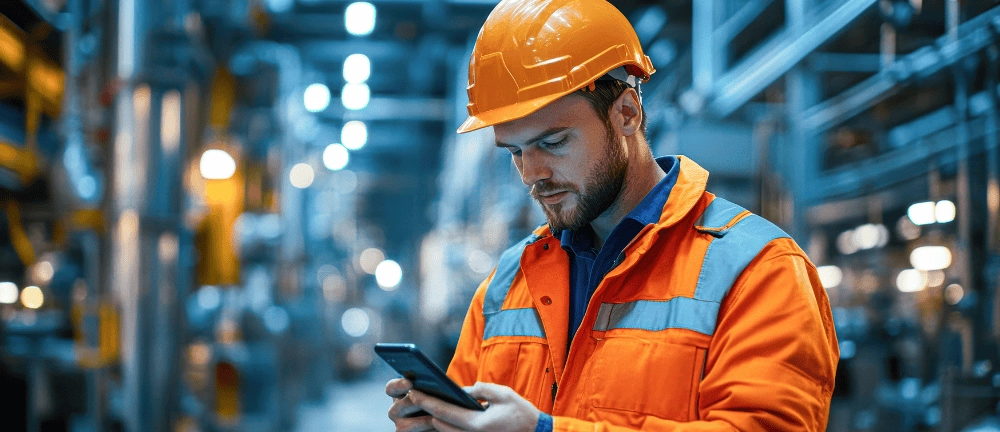
At first glance, the terminal resembles a phone, but it's in a completely different league. It is resistant to dust, drops and long hours of work in harsh conditions. It's a piece of equipment that doesn't complain about temperature, isn't afraid of being hit, and works even when an ordinary smartphone would have refused to work long ago.
What is an industrial terminal?
An industrial terminal is a rugged-class portable computer - that is, resistant to dust, moisture and drops - designed
In warehouses, logistics and production, mobile terminals act as an indispensable helper - streamlining receipts, releases, quality control or inventory. They work in real time and are resistant to conditions where a typical smartphone would have long given up.

Types of industrial terminals
The range of industrial equipment varies from compact handheld models to larger panel computers. Each type has its own strengths.
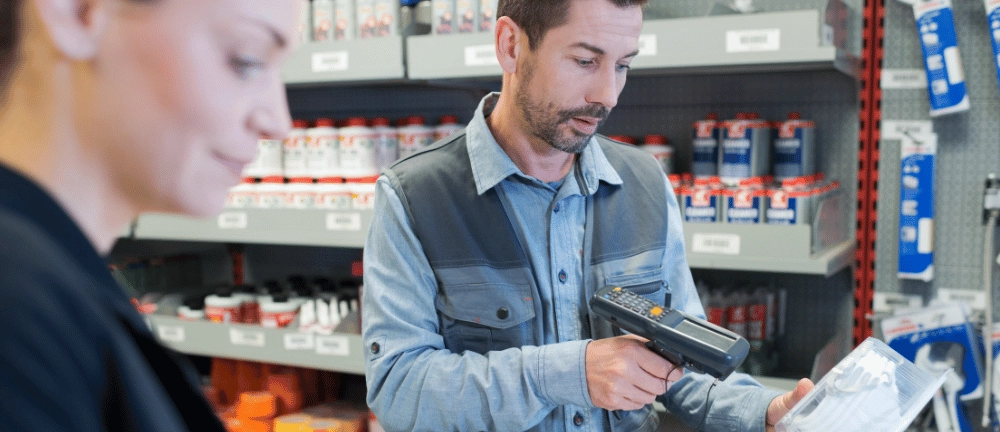
- Mobile terminals. Mobile terminals are the most popular solution - lightweight, wireless, handy and made for working on the move. They enable scanning of 1D and 2D barcodes, RFID reading and real-time operation of warehouse systems.
In Antumo, you will find mobile terminals from the Bluebird and M3 Mobile brands that work well in logistics, picking, transportation and commerce.
- Panel and vehicle terminals. Mounted at workstations or in vehicles, such as forklifts. They work well where a large screen and constant access to the system is needed.
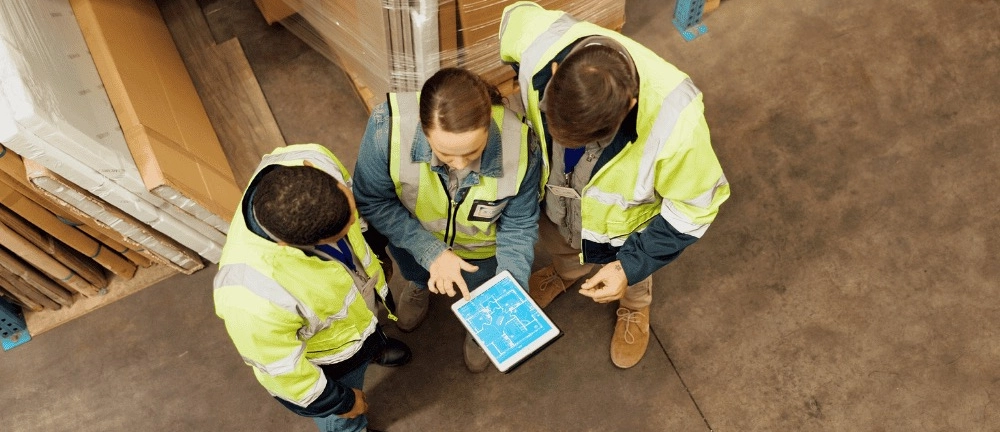
- Industrial tablets. These are an alternative to mobile terminals - they have a larger touch screen and more extensive data visualization capabilities. They are useful for quality control, reporting or office and warehouse work.

What to look for when choosing an industrial terminal?
Choosing the right terminal is more than a matter of price or appearance. What matters in practice is where and how it will be used - on the production floor, in the warehouse, or perhaps in transportation. Each environment requires slightly different equipment. Here are the most important things to keep in mind before buying:
- Resistance and durability. An industrial terminal should easily withstand dust, moisture and drops. The USB input should be adequately protected. It is worth looking for models with IP65 or IP67 certification - this is a guarantee that the equipment can cope with demanding conditions.
- System and performance. Most modern terminals run on the Android operating system. It is stable, intuitive and easily integrates with the company's software. Take care of adequate RAM capacity.
- Communications. Constant contact with systems is essential. Make sure the device has WiFi, Bluetooth and NFC modules, and for field work - also LTE. It is important that it can be easily connected to a computer or printer.
- Scanning. This is the most important functionality of the device. Fast and accurate barcode reader avoids mistakes and speeds up the work of the whole team.
- Ergonomics. The terminal must be comfortable for daily use. It should lie well in the hand, have an easy-to-read screen and a strong battery that will last an entire shift without recharging.

Industrial terminal in practice
How the terminal performs depends on the industry and process in which you use it:
- in warehousing and logistics it streamlines picking, goods receiving and delivery control,
- in manufacturing it allows you to monitor processes and report results in real time,
- in transportation and commerce enables handling of orders, payments and documents in the field.
Modern devices can be easily connected to the company's management system. Combined with the MDM system, they also provide remote updates, control and data security - all in one place.
How to choose hardware for your needs
Before deciding on a particular model, think about how your team works. Do you need a lightweight terminal for working on the move? Or perhaps a larger device with a touchscreen for easier data entry?
If you are working with a touchscreen, think about your needs.
If you work at stations or in quality control, you might also want to consider an industrial tablet - bigger screen, same reliability.
At Antumo, we help you choose the right equipment for your work environment - one that will speed up your processes, improve accuracy and make your daily warehouse or shop floor operations easier.
blog posts